

Selling a fixer-upper can feel like a daunting and overwhelming task, especially if you are not sure where to start or what buyers are looking for. A home in need of repairs requires a different approach than a move-in-ready property, and understanding how to navigate this process is key to achieving a successful sale. Whether your fixer-upper requires minor cosmetic upgrades or significant structural repairs, having a clear plan can make all the difference. In Pigeon Forge, TN, a city known for its vibrant tourism industry and strong local real estate market, fixer-upper homes attract a variety of buyers, including investors, flippers, and DIY enthusiasts looking for opportunities. This comprehensive guide will walk you through everything you need to know to sell your fixer-upper efficiently, effectively, and for the best possible price.
Understanding the Fixer-Upper Market in Pigeon Forge
Why Fixer-Uppers Sell Differently
Fixer-uppers are unique in the real estate market because they appeal to a specific set of buyers who are willing to put in the time, effort, and resources to renovate a property. Unlike traditional homes, which attract buyers looking for move-in-ready comfort, fixer-uppers attract investors and buyers looking for potential value.
Investors and flippers are typically more focused on the potential profit rather than the current condition of the home. DIY buyers, on the other hand, often seek a property that they can customize according to their preferences while building equity over time. Understanding this buyer psychology is crucial to positioning your property correctly in the market.
Some key differences include:
- Buyer Type: While traditional buyers may be hesitant to purchase a property that requires extensive repairs, cash buyers, flippers, and investors are often eager to take on these opportunities.
- Condition Flexibility: Homes can sell as-is, which saves time and money on repairs, but pricing must reflect the work required.
- Speed of Sale: Cash offers from investors and flippers can result in faster closings, sometimes within just 7–14 days. This is significantly shorter than the 30–90 days typical for a traditional listing.
- Negotiation Dynamics: Buyers of fixer-uppers often negotiate heavily on price, taking into account the cost and effort of repairs. Learn more about how negotiation works in real estate. For more information on negotiating the best price for your home, check out Rocket Mortgage’s guide on how to negotiate house price.
Local Real Estate Trends
Pigeon Forge has a unique and competitive real estate market influenced by its tourism, seasonal rental demand, and local economy. Homes that are considered fixer-uppers can appeal to investors who aim to renovate and rent the property to vacationers or long-term tenants. Understanding these trends is essential to pricing your home correctly and attracting the right buyers.
Table: Average Home Prices in Pigeon Forge
| Neighborhood | Average Price | Typical Buyer Type | Average Time on Market |
|---|---|---|---|
| Downtown PF | $250,000 | Investors | 30 days |
| West Side | $200,000 | DIY Buyers | 45 days |
| North PF | $180,000 | Flippers | 25 days |
These figures show that certain neighborhoods in Pigeon Forge are more attractive to specific buyer types. Downtown areas may appeal to investors seeking rental income or short-term vacation rental potential, while suburban areas may attract DIY buyers looking to live in a quieter neighborhood. Knowing these trends allows you to tailor your marketing efforts and set realistic expectations for sale timelines.
Preparing Your Fixer-Upper for Sale
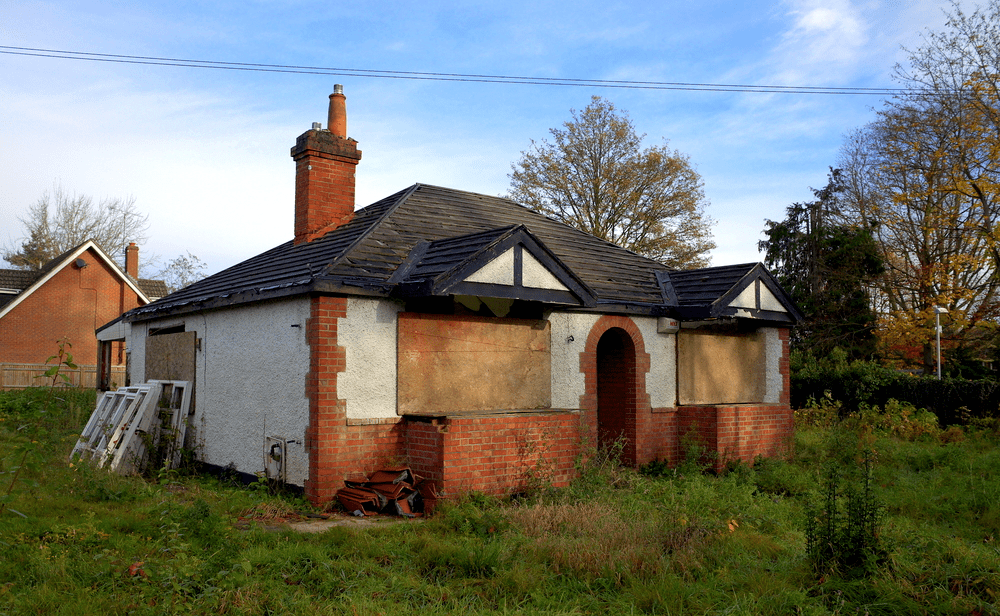
Assessing Needed Repairs
Before listing your fixer-upper, it’s crucial to evaluate the property carefully and determine which repairs are necessary. Repairs can broadly be categorized into major and minor repairs. Major repairs are those that affect the safety, functionality, or structure of the home, while minor repairs are primarily cosmetic improvements that enhance the property’s appearance.
Major Repairs Include:
- Roof replacement or repair
- Foundation repairs
- Plumbing or electrical system updates
- Structural damage or water intrusion
These repairs are critical to making your property safe and functional, but they can be costly and time-consuming. For some sellers, it may make sense to sell as-is and allow buyers to handle these repairs, particularly if selling to investors or cash buyers who specialize in fixer-uppers.
Minor Repairs Include:
- Painting walls and ceilings
- Landscaping and yard cleanup
- Flooring repairs or refinishing
- Fixing broken windows or doors
While minor repairs can increase the perceived value of the home, sellers must weigh the costs against potential returns. Cosmetic updates often create a stronger first impression and can help attract more buyers, even if the home is sold as-is.
Deciding What to Fix and What to Leave
Not every repair is worth completing before selling. Investors and flippers often prefer to handle renovations themselves, and attempting extensive repairs may not result in a proportional increase in your sale price. To make informed decisions:
- Focus on repairs that improve curb appeal, such as landscaping, exterior painting, and minor structural fixes visible from the street.
- Address safety hazards like exposed wiring, leaking pipes, or broken staircases, as these can prevent buyers from moving forward.
- Avoid costly renovations that do not significantly impact buyer interest or price, unless the potential return justifies the investment. Learn more about the top home improvements for ROI. For more information on maximizing value in a fixer-upper, check out Zillow’s guide on the best home improvements to increase value.
Table: Repair Cost vs. Added Value
| Repair Type | Estimated Cost | Potential Value Added | Recommended? |
|---|---|---|---|
| Roof Repair | $5,000 | $8,000 | Yes |
| Kitchen Remodel | $15,000 | $10,000 | Optional |
| Exterior Paint | $2,500 | $4,000 | Yes |
| Flooring Replacement | $3,500 | $3,000 | Optional |
This table provides a clear comparison of common repairs, their costs, and whether they are recommended. By strategically choosing repairs, you can enhance your property’s appeal without overspending.
Setting the Right Price
Pricing a fixer-upper correctly is crucial to attracting buyers and ensuring a quick sale. Overpricing can deter potential buyers, while underpricing may result in lost profit. There are two primary approaches to pricing a fixer-upper:
- Comparative Market Analysis (CMA): Compare your property to similar homes that have recently sold in Pigeon Forge. Look for homes with similar size, location, and condition to determine a realistic market price.
- Cash Offer Pricing: Investors often use formulas based on the After Repair Value (ARV) minus estimated repair costs to determine the maximum cash offer they are willing to make. Understanding this method helps sellers anticipate offers from cash buyers and negotiate effectively.
Selling Options for a Fixer-Upper
Selling to Cash Buyers
Selling to cash buyers is one of the fastest and simplest ways to sell a fixer-upper. Cash buyers are typically investors or flippers who are comfortable purchasing homes as-is. Benefits of selling to cash buyers include:
- Fast Closing: Transactions can often be completed in as little as 7–21 days.
- Minimal Repairs Required: Since buyers handle renovations, you do not need to invest in repairs.
- Certainty: Cash sales reduce the risk of the deal falling through due to financing issues.
This option is ideal for sellers who want to avoid the hassle of listing, staging, and negotiating with traditional buyers.
Traditional Listing
Listing your fixer-upper with a real estate agent may result in a higher sale price, but it comes with trade-offs:
- Longer Time on Market: Traditional sales can take 30–90 days or longer, depending on property condition and buyer demand.
- Repairs and Staging: Minor updates and staging may be necessary to attract buyers.
- Commission Fees: Real estate agents charge fees, which can reduce net proceeds.
A traditional listing may be suitable if your goal is to maximize sale price and you are willing to invest in minor repairs and marketing.
Selling to Investors or Flippers
Investors are typically familiar with fixer-upper properties and can close deals quickly. To attract investor offers:
- Provide accurate repair estimates and property details.
- Highlight the property’s potential, such as expansion possibilities or rental income potential.
- Market the property to local investor networks or online real estate forums.
Table: Comparing Selling Options
| Option | Time to Close | Repairs Needed | Buyer Type | Pros & Cons |
|---|---|---|---|---|
| Cash Buyer | 7–21 days | None | Investor/Flipper | Fast, no repairs, lower price |
| Traditional Sale | 30–90 days | Some | Homebuyers | Higher price, more marketing needed |
| Investor/Flipper | 14–30 days | None | Local Investor | Quick sale, flexible terms |
Marketing Your Fixer-Upper Effectively
High-Quality Photos and Videos
High-quality visuals are critical for attracting buyers. Since fixer-uppers have visible flaws, presenting the property in the best light is essential. Consider:
- Professional Photography: Highlight the property’s potential rather than flaws.
- Video Walkthroughs: Offer virtual tours for out-of-town buyers and investors.
- Before/After Renderings: Show what the property could look like after renovations to help buyers visualize the potential.
Writing a Compelling Listing
A well-crafted listing can make your property stand out. Key elements include:
- Emphasizing potential: Use phrases like “Investor’s dream,” “Great fixer-upper opportunity,” and “As-is sale.”
- Highlighting location benefits: Mention proximity to schools, parks, and local attractions in Pigeon Forge.
- Including key property details: Number of bedrooms and bathrooms, lot size, and any unique features.
Local SEO Tips
Optimizing your online presence helps attract both Google searches and AI-generated answer results. Best practices include:
- Using city-specific keywords such as “fixer-upper in Pigeon Forge” and “sell my Pigeon Forge house fast.”
- Including FAQs in your listing to address common buyer questions.
- Implementing structured data (FAQ, HowTo, and LocalBusiness schema) to improve search visibility.
Common Questions About Selling Fixer-Uppers
Q: How quickly can I sell a fixer-upper in Pigeon Forge, TN?
Selling a fixer-upper in Pigeon Forge, TN typically takes 2–8 weeks. Cash buyers or local investors often close in 7–21 days, while traditional buyers may take 30–90 days.
Q: Can I sell a fixer-upper as-is in Pigeon Forge, TN?
Yes, many investors and cash buyers in Pigeon Forge prefer homes sold as-is, allowing them to renovate while closing faster.
Q: What minor repairs should I make before selling in Pigeon Forge, TN?
Focus on cosmetic updates that improve curb appeal, such as painting, landscaping, and fixing broken fixtures, while leaving major renovations to the buyer.
Q: Should I use a real estate agent to sell a fixer-upper in Pigeon Forge, TN?
Using an agent is optional. They can help market your property and reach traditional buyers, but cash buyers and investors often bypass agents for quicker sales.
Q: How do I find reliable cash buyers in Pigeon Forge, TN?
Local investor networks, online real estate groups, and community listings are common sources to connect with trustworthy cash buyers in Pigeon Forge.
Q: How should I price my fixer-upper in Pigeon Forge, TN?
Use a Comparative Market Analysis (CMA) and consider cash offers from investors to set a competitive price that reflects the home’s as-is condition.
Closing the Sale
Understanding the Closing Process
Closing a sale for a fixer-upper varies depending on the buyer type. For cash buyers, the process is generally fast and straightforward, often taking only 7–21 days. Minimal paperwork is required, and buyers typically purchase the property as-is. For traditional buyers, the closing process can take 30–90 days and may involve inspections, negotiations, and minor repairs.
Avoiding Common Pitfalls
To ensure a smooth sale:
- Price the property realistically.
- Disclose any major issues to avoid legal complications.
- Select the right buyer type based on your goals.
- Prepare necessary documents in advance, including property disclosures, repair estimates, and title information.
Tips for Maximizing Your Sale
- Highlight Potential: Use sketches, renderings, or virtual tours to help buyers visualize the home’s possibilities.
- Professional Staging or Photography: Even a fixer-upper benefits from appealing visuals.
- Be Transparent: Full disclosure of known issues builds trust and prevents complications.
- Flexible Terms: Offering flexible closing dates or minor concessions can attract more buyers.
Conclusion
Selling a fixer-upper in Pigeon Forge, TN, doesn’t have to be stressful or confusing. Understanding the local market, assessing repairs carefully, and choosing the right selling approach are key to getting the best results. Whether you’re considering a cash sale, a traditional listing, or working with investors, each option has unique benefits that can help you sell efficiently and at a fair price. Minor repairs can increase appeal, but often selling as-is is the fastest and simplest path. Marketing your home effectively with high-quality photos, clear listings, and accurate information can attract serious buyers quickly. At East Tennessee Home Buyers LLC, we specialize in guiding homeowners through every step of the process. From evaluating your property to connecting you with motivated buyers, we provide support to make selling your fixer-upper smooth and stress-free. Trust East Tennessee Home Buyers LLC to help you sell your home quickly, confidently, and for the best possible price.