
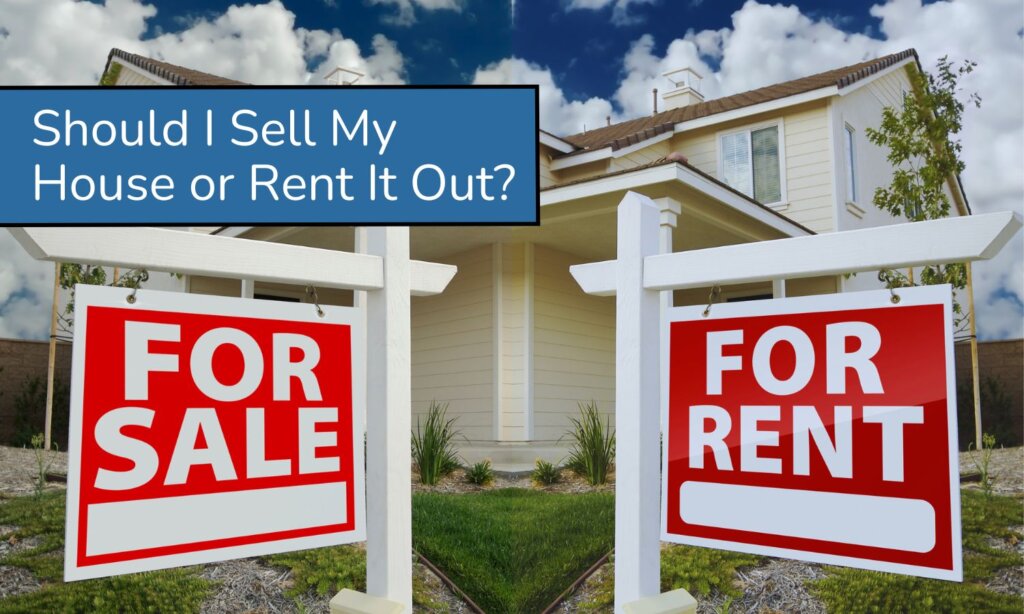
A rental property can create monthly income and long-term equity. It can also bring vacancies, repair bills, tenant problems, rising operating costs, and management stress.
That is why the decision to sell or keep a rental property in Knoxville, TN should not depend on one difficult month or a general housing-market prediction. Review the property’s actual performance, upcoming costs, available equity, and whether being a landlord still supports your goals.
East Tennessee Home Buyers LLC works with Knoxville-area rental owners who are comparing their options, but a direct sale is only one path. Keeping the property, hiring a manager, repairing and listing, or selling to another landlord may produce a better result in some situations.
Quick Answer
Keep your Knoxville rental if it produces reliable net income, has manageable repair needs, and still fits your long-term plans. Consider selling if it repeatedly loses money, requires major investment, creates ongoing tenant or management problems, or holds equity you would rather use elsewhere.
Is Your Knoxville Rental Still a Good Investment?
Monthly rent alone does not show whether the property is working.
A house collecting $1,800 per month may look profitable until you subtract the mortgage, taxes, insurance, repairs, vacancies, management fees, utilities, leasing costs, and future replacements.
Calculate the True Annual Cash Flow
Use the rent actually collected during the previous 12 months. Subtract:
- Mortgage payments
- Property taxes and insurance
- Management fees
- Maintenance and owner-paid utilities
- HOA, lawn care, and leasing costs
- Vacancy and turnover losses
- A reserve for major repairs
Use this formula:
Annual rent collected – operating costs – vacancy reserve – repair reserve = true annual cash flow
Suppose a rental collected $21,600 during the year. After every expense and a reasonable repair reserve, the owner may keep only $2,500. The property is still cash-flow positive, but the return is much smaller than the gross rent suggests.
Measure the Return on Your Equity
Estimate how much equity is tied up in the house.
If the property produces $2,500 in annual cash flow and has $150,000 in equity, its cash return on equity is about 1.67%.
That does not automatically make it a poor investment. Mortgage paydown and possible appreciation may add value. Still, consider whether that equity could reduce debt, support retirement, buy a stronger investment, or provide greater flexibility.
Knoxville Landlord Decision Worksheet
| Decision factor | Your figure |
|---|---|
| Annual rent collected | $_____ |
| Total annual expenses and reserves | $_____ |
| True annual cash flow | $_____ |
| Estimated property value | $_____ |
| Mortgage payoff and approximate equity | $_____ |
| Repairs expected within three years | $_____ |
| Estimated net proceeds from listing | $_____ |
| Estimated net proceeds from an as-is sale | $_____ |
| Do you want to be a landlord in three years? | Yes / No / Unsure |
The last question matters. A rental can be financially acceptable and still be wrong for someone who no longer wants the work or risk.
Consider the Next Three Years of Repairs
A profitable year does not show what the house may cost next year.
Older Knoxville ranch homes, split-level houses, duplexes, and small multifamily properties may have several systems reaching the end of their useful lives together. Check the roof, HVAC, plumbing, electrical system, water heater, foundation, crawl space, windows, siding, appliances, and septic system when applicable.
Property type also matters. A student rental near the University of Tennessee may experience frequent turnover. A Fountain City ranch may have older plumbing or crawl-space issues. A rural Knox, Blount, Anderson, or Loudon County property may involve septic, drainage, well, or access concerns.
Before completing major work, compare its cost with the likely increase in rent and net sale proceeds. Not every improvement returns its full cost.
When Keeping the Rental May Be Better
Keeping the property may make sense when it produces dependable net income after maintenance and vacancy reserves, the tenant relationship is stable, and the major systems are in reasonable condition.
It may also fit an owner who wants long-term income, mortgage paydown, and continued exposure to Knoxville real estate. Appreciation is never guaranteed, so the property should still work under conservative assumptions.
When the investment performs well but management feels exhausting, a qualified property manager may be a better solution than selling. Compare the management fee with the time and stress currently required.
Do Not Sell Because of One Bad Year
One vacancy, difficult tenant, or large repair bill can make a landlord want to sell immediately. However, one bad year does not always mean the investment has failed.
A one-time water heater replacement is different from recurring plumbing failures. One vacancy is different from a property that repeatedly struggles to attract qualified tenants. A management problem may be solved by changing managers, while long-term negative cash flow may require a sale.
Review at least 12 months of records and, when possible, compare several years.
When Selling the Rental May Make More Sense
Cash Flow Is Consistently Negative
A property that repeatedly requires money from your personal account may no longer be serving its purpose. Determine whether a reasonable rent adjustment, refinancing, better management, or targeted repairs could correct the problem. If not, selling may prevent further losses.
Major Repairs Are Approaching
A roof, HVAC replacement, foundation repair, major plumbing work, or crawl-space project can erase years of rental profit.
You may complete the work and list, or decide not to invest more money into the house. Compare a traditional sale with the option to sell a rental property as-is in Knoxville.
You No Longer Want the Responsibility
Late-night calls, missed rent, turnover, inspections, damage, complaints, and contractor delays all have a cost. Selling may be reasonable when the return no longer justifies the time and stress.
You Live Outside East Tennessee
Managing a property in Knoxville, Maryville, Oak Ridge, Lenoir City, or Sevierville from another state can complicate repairs and turnovers. A local manager may help. If remote ownership remains difficult, selling may provide a cleaner exit.
The Equity Could Be Used Elsewhere
Selling may allow you to reduce debt, fund retirement, purchase another investment, or diversify your finances. Compare the expected after-tax proceeds with the likely benefit of continuing to hold.
The Tenant Situation Is Complicated
An occupied rental can often be sold, but the lease, security deposit, payment history, access, and tenant communication may affect the buyer pool and closing.
Read the guide to selling a house with tenants in Knoxville before promising vacant possession. For eviction or a serious dispute, review the Tennessee Courts eviction resources and speak with a Tennessee attorney.
Compare Your Knoxville Rental Property Options
| Option | May fit when | Advantage | Limitation |
|---|---|---|---|
| Keep renting | Cash flow and repairs are manageable | Continued income and equity growth | Ongoing vacancy, repair, and tenant risk |
| Hire a manager | The property performs well, but management is exhausting | Fewer daily responsibilities | Management fees reduce cash flow |
| Repair and list | Improvements may create a worthwhile return | May attract more retail buyers | Requires money, time, and contractors |
| List as-is | You want market exposure without renovating | Reaches investors and some retail buyers | Showings, commissions, and inspections remain |
| Sell occupied | The lease and tenant are stable | Buyer may value immediate income | Investors examine return and condition closely |
| Sell directly for cash | Repairs, tenants, distance, or simplicity matter most | Fewer preparation requirements | Offer may be below a repaired retail price |
For a broader transaction guide, read how to sell a rental property in Knoxville, TN.
Four Steps to Make the Decision
1. Organize the Records
Gather the lease, rent ledger, security deposit records, mortgage payoff, tax and insurance statements, repair history, management reports, utility expenses, and contractor estimates.
Use the Tennessee rental-property document checklist to prepare for an agent, investor, title company, or tax professional.
2. Inspect the Property
Identify immediate repairs and systems likely to need attention within three years. Get realistic estimates before renovating and decide whether the work is likely to improve your net result.
3. Estimate Net Proceeds
A $320,000 listing price does not mean the owner receives $320,000.
A traditional sale may include repairs, agent compensation, concessions, holding costs, mortgage payoff, taxes, utilities, inspection negotiations, and cleanout expenses. Compare the expected net amount with an as-is listing, investor purchase, or direct offer.
4. Review the Tax Impact
Selling a rental may involve adjusted basis, capital gain, depreciation, and other tax consequences.
Review the IRS guidance on rental-property sales. A qualifying like-kind exchange may postpone recognition of certain gains, but strict rules apply. Consult a tax professional before signing.
A Realistic Knoxville Rental Property Scenario
Consider a hypothetical landlord who owns a 1960s Fountain City ranch.
The property collects $1,750 per month. After the mortgage, taxes, insurance, management, repairs, and vacancy reserve, it produces about $250 per month in average cash flow.
The tenant pays on time, but the roof and HVAC may need replacement within three years. The owner lives outside Tennessee and has about $140,000 in equity.
The owner could keep renting and build a larger repair reserve, wait until the lease ends and list after improvements, or sell as-is and compare a direct offer with estimated listing proceeds.
Keeping may suit someone who wants long-term income and can fund the repairs. Selling may be more practical for an owner who values liquidity and no longer wants to manage the property remotely.
Common Mistakes to Avoid
- Looking only at gross rent: Use collected rent minus every current and future cost.
- Assuming a higher sale price means more money: Compare net proceeds after repairs, commissions, concessions, holding expenses, and taxes.
- Repairing before comparing an as-is sale: Get estimates and offers before starting major work.
- Ignoring the lease: Review access terms, deposits, renewal dates, and tenant status.
- Comparing cash offers by price alone: Review proof of funds, contingencies, inspections, earnest money, assignment terms, and closing expenses.
The guide to the pros and cons of cash home buyers in Knoxville explains what to compare.
Frequently Asked Questions
Is it better to sell or keep a rental property in Knoxville, TN?
Keep it if it produces reliable net income and repairs are manageable. Selling may be better if it repeatedly loses money, needs major work, or no longer fits your goals.
How do I know if my Knoxville rental is profitable?
Subtract financing, taxes, insurance, management, repairs, utilities, vacancy, turnover, and future maintenance reserves from the rent actually collected.
When should a landlord consider selling?
Consider selling when negative cash flow continues, major repairs are approaching, tenant problems persist, or too much equity is tied up in the property.
Should I sell after one bad year?
Not always. Review several years of income, vacancies, repairs, and tenant history to determine whether the problem is temporary or likely to continue.
Can I sell a rental with tenants in Knoxville?
Yes. The lease, tenant status, deposit, access arrangements, and Tennessee requirements may affect the process. Seek legal guidance when needed.
Should I repair the rental before selling?
Repairs may help when they increase net proceeds by more than their cost. Compare contractor estimates with as-is offers before renovating.
Is listing better than selling for cash?
Listing may suit a vacant, updated property. A cash sale may be more practical when repairs, tenants, distance, or fewer contingencies matter most.
What should I compare before accepting an offer?
Compare net proceeds, repairs, commissions, closing costs, contingencies, inspections, taxes, closing dates, and the work required before closing.
Compare Your Knoxville Rental Property Options Before Selling
Selling is not automatically right because the property needs work or one tenant caused problems. Keeping it is not automatically right because it still collects rent.
Calculate the true cash flow, identify upcoming repairs, estimate the equity, review the tax impact, and compare the net proceeds from every realistic option.
If you want to sell as-is without repairs, realtor commissions, or closing costs, East Tennessee Home Buyers LLC can review your rental property and provide a fair local cash offer. You can compare that offer with keeping the house, hiring a manager, or listing through an agent.
Review how the direct home-buying process works, read the company’s frequently asked questions, or contact East Tennessee Home Buyers LLC to discuss the property without an obligation to sell.
Disclaimer: This article provides general educational information, not legal, tax, financial, or investment advice. Decisions may depend on the lease, title, financing, tax history, ownership structure, tenant situation, property condition, and current law. Consult an appropriate Tennessee attorney, CPA, property manager, title company, or financial professional for situation-specific guidance.