
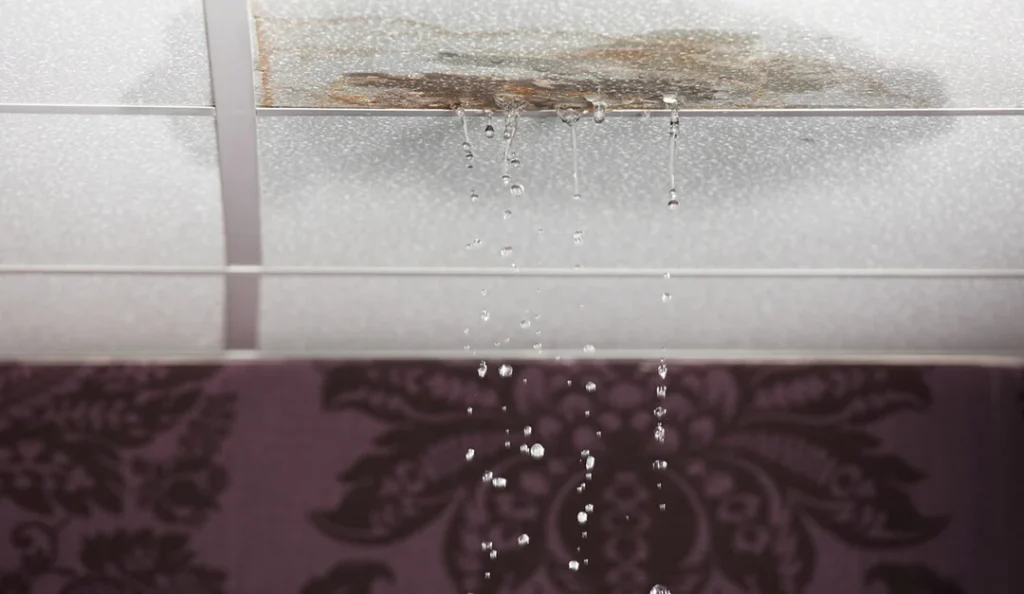
Water damage can make a home sale much harder. You may be facing a roof leak, burst pipe, wet flooring, basement seepage, crawl-space moisture, or damage that went unnoticed in a vacant property.
You do not always have to repair everything before selling. The best path depends on the source, extent of damage, available funds, insurance coverage, and your timeline.
Quick Answer
You can sell a water-damaged house in Knoxville without completing every repair first. Your main options are repairing and listing traditionally, listing as-is, selling directly to a cash buyer, or restoring and keeping the property. Compare the likely net proceeds, time, work, and risk attached to each option before deciding.
First, Understand the Water Damage
A ceiling stain is different from standing basement water. Clarify three issues before choosing a selling method.
Is the Water Source Still Active?
An active roof leak, plumbing failure, appliance leak, or drainage problem can continue damaging the property. Stopping the source should usually come before cosmetic work.
Painting over a stain or replacing flooring will not solve the problem if water is still entering the house.
How Far Has the Moisture Traveled?
Water can move behind drywall, under flooring, through insulation, and into framing. The visible damage may be only part of the problem.
The EPA’s mold and moisture guide explains that controlling moisture is essential for controlling mold. Wet materials may need drying, cleaning, removal, or professional evaluation.
What Records Do You Have?
Gather photos, insurance correspondence, inspection reports, contractor estimates, restoration records, permits, and warranties. These records can help buyers understand what happened and what work may still be needed.
Why Water Damage Can Complicate a Knoxville Home Sale
Water damage creates uncertainty. A buyer may see a small stain but worry about hidden mold, damaged framing, electrical problems, or a leak that could return after closing.
Buyers may ask what caused the damage, whether the leak was repaired, how long materials stayed wet, and whether the property has flooded before.
Condition problems may also affect mortgage-backed sales. HUD standards focus on whether a home is safe, sound, and secure, so unresolved issues may require review or repairs depending on the lender, appraiser, loan program, and property.
A documented, repaired leak is very different from an active roof failure or damage across several rooms.
Knoxville and East Tennessee Property Considerations
Older Knoxville homes may have aging plumbing, roof materials, or damp crawl spaces. Split-level and basement homes may experience seepage, while sloped lots can create grading concerns. Slow leaks can become severe in vacant inherited homes.
Mountain cabins and short-term rentals around Sevier County can also develop unnoticed leaks between guest stays. Rural properties may involve drainage, well, or septic concerns that need specialized evaluation.
Water intrusion does not always mean a home is in a flood zone. Knoxville owners can review the City of Knoxville floodplain information, but roof, plumbing, appliance, basement, and crawl-space problems can occur outside mapped flood areas.
Four Ways to Sell a House With Water Damage
1. Repair the Damage and List Traditionally
Repairing first may help you reach the largest group of owner-occupant buyers. It can make sense when the source is known, the damage is limited, and contractors can provide a reasonably clear scope of work.
This option may fit when you have enough cash or insurance coverage, no urgent deadline, and a reasonable chance that the added sale proceeds will justify the work.
The risk is that opening walls or floors reveals mold, damaged insulation, subflooring, or framing. Contractor delays and ongoing carrying costs also reduce the final return.
2. List the House As-Is With an Agent
An as-is listing markets the house without promising repairs before closing. It may attract renovation buyers, landlords, investors, or owner-occupants willing to manage the work.
This route can work when the home is safe to show and you can wait for a suitable buyer.
“As-is” does not automatically prevent inspections. A buyer may still request an inspection, renegotiate, or cancel under the purchase agreement.
For more detail, read Can You Sell a House As-Is Without an Inspection in Knoxville?.
3. Sell Directly to a Cash Home Buyer
A direct sale may be practical when the house needs extensive restoration or when you cannot spend months managing contractors.
A local cash buyer may purchase the property in its current condition and handle repairs after closing. The offer normally reflects renovation costs, resale expenses, holding costs, and the risk of hidden damage.
This route may fit an owner who cannot afford restoration, inherited a damaged property, moved away, or values simplicity over the highest possible price.
East Tennessee Home Buyers LLC explains its process on its How We Buy Houses page. A direct offer will often be below the potential repaired price, so compare net proceeds and responsibilities rather than headline prices.
4. Repair and Keep the Property
Selling may not be necessary if the damage is manageable and the property still fits your long-term plans.
An owner may remain in the home, a landlord may restore a rental, or an heir may keep a family property. Consider restoration costs, insurance, mortgage payments, taxes, maintenance, income, and recurring-moisture risk.
Compare Your Selling Options
| Option | Best fit | Main advantage | Main limitation |
|---|---|---|---|
| Repair and list | Limited or clearly defined damage | Access to more retail buyers | Requires money, contractors, and time |
| List as-is | Marketable home with moderate damage | Open-market exposure | Inspections, commissions, and negotiations remain |
| Sell directly | Extensive damage or need for simplicity | Seller avoids managing repairs | Offer reflects repair costs and buyer risk |
| Repair and keep | Property still supports long-term goals | Retain ownership and future use | Continued cost and responsibility |
Compare Net Proceeds, Not Just the Sale Price
The highest sale price is not always the option that leaves you with the most money.
Use this simple comparison:
Expected selling price
minus repairs and restoration
minus agent commission
minus seller concessions
minus cleaning and preparation
minus mortgage, utilities, insurance, and taxes while waiting
minus seller-paid closing expenses
equals estimated net proceeds
Then compare that amount with the net proceeds from an as-is offer.
For more detail, read How to Price a House With Major Repairs in Knoxville.
Also compare the work involved. Repairing may produce more money but require months of coordination; a direct sale may produce less while removing that responsibility.
How to Sell a Water-Damaged House Step by Step
1. Prevent More Damage
Stop the leak when it is safe to do so. Contact the appropriate plumber, roofer, restoration company, utility provider, or emergency professional.
Do not enter an area where standing water may have reached electrical systems or where ceilings, floors, or walls appear unstable.
2. Document the Condition
Photograph visible damage before cleanup. Keep estimates, insurance records, invoices, and repair documents together.
3. Contact Your Insurance Company
Ask whether the loss may be covered and whether cleanup or repairs need approval. Coverage varies by policy and cause.
4. Obtain Estimates
Use written estimates to separate known work from uncertain work. Different specialists may be needed to identify the source, measure moisture, and price repairs.
5. Compare Selling Methods
Ask an agent familiar with as-is properties for a likely listing range. Request written offers from credible direct buyers. Compare price, seller costs, inspections, contingencies, and closing terms.
6. Review Disclosure Responsibilities
Tennessee transactions may involve disclosure or disclaimer forms depending on the sale and any applicable exemptions.
Selling as-is should not be treated as permission to hide known defects or make false statements. The Tennessee Healthy Homes resource provides general property-condition information. Consult a licensed Tennessee real estate professional or attorney about your transaction.
7. Read the Entire Offer
Check proof of funds, inspection periods, seller-paid expenses, closing date, assignment language, cancellation rights, title requirements, and who selects the closing company.
A lower offer with fewer conditions may be stronger than a higher one dependent on financing, repairs, appraisal, and several contingencies.
Example: Selling a Water-Damaged House in Knoxville
Imagine an owner who moved from Knoxville to Chattanooga for work. After a storm, a neighbor checks the empty house and notices water entering through an upstairs ceiling.
A roofer identifies the source, but the water has damaged insulation, drywall, and part of the flooring. A contractor cannot confirm the subfloor condition until materials are removed.
Repairing and listing may produce the strongest price, but it requires travel, contractor management, carrying costs, and the risk of discovering more damage. Listing as-is provides market exposure, but buyers may inspect and renegotiate.
A direct buyer offers less than the possible restored price but removes the project from the owner’s hands. Here, that trade-off fits because reducing travel and uncertainty matters most. A nearby owner with insurance coverage and trusted contractors might reasonably repair first.
Common Mistakes to Avoid
Repairing Cosmetic Damage Before Stopping the Leak
New paint and flooring can be damaged again if the moisture source remains active.
Treating an Estimate as a Guaranteed Cost
Water damage can extend behind finished surfaces. Leave room for uncertainty when comparing repairs with an as-is sale.
Hiding Known Damage
Covering stains or concealing known defects can create legal and negotiation problems. Describe the condition honestly and seek professional advice when needed.
Comparing Unequal Prices
A renovated retail price assumes someone funds and manages the work. Compare net proceeds and responsibilities, not a cash offer against an unrepaired home’s theoretical renovated price.
Frequently Asked Questions
Can I sell a house with water damage in Knoxville without making repairs?
Yes. You can list the property as-is or sell it directly to a buyer willing to handle the repairs. The condition will affect value, buyer interest, inspections, and financing.
Should I repair water damage before selling my Knoxville house?
Repairing may make sense when the damage is limited and the expected increase in net proceeds exceeds the cost. Selling as-is may be better when repairs are extensive or uncertain.
Can I sell a house with mold in Knoxville, TN?
Yes. A house with mold can be sold, but buyers may request inspections, remediation records, credits, or price reductions.
Does selling as-is remove Tennessee disclosure responsibilities?
No. Selling as-is does not allow a seller to hide known defects or make inaccurate statements. Requirements and exemptions can vary.
Will a cash buyer purchase a house with active water damage?
Some cash buyers purchase houses with active leaks, mold, roof damage, and other major repairs. Their offers usually account for restoration costs and risk.
Will homeowners insurance cover water damage before I sell?
It depends on the cause and policy. Sudden plumbing failures may be treated differently from flooding, gradual leaks, or maintenance problems.
Can a water-damaged house qualify for traditional financing?
Possibly. It depends on the damage, loan type, appraisal, lender requirements, and whether unresolved safety or condition problems remain.
What is the best way to sell a water-damaged house in Knoxville?
The best option depends on repair costs, insurance, timeline, and estimated net proceeds. Compare repairing, listing as-is, selling directly, and keeping the property.
Which Selling Option Is Right for Your Knoxville Home?
Water damage does not make your house impossible to sell. It changes which buyers may be interested and which route is most practical.
Identify the moisture source, gather available records, estimate the work, and compare the likely net outcome of repairing, listing as-is, selling directly, or keeping the property.
If you want to sell as-is without repairs, realtor commissions, or closing costs, East Tennessee Home Buyers LLC can review your property and provide a fair local cash offer. You can compare the written offer with your other options and decide whether it fits your timeline and goals.