
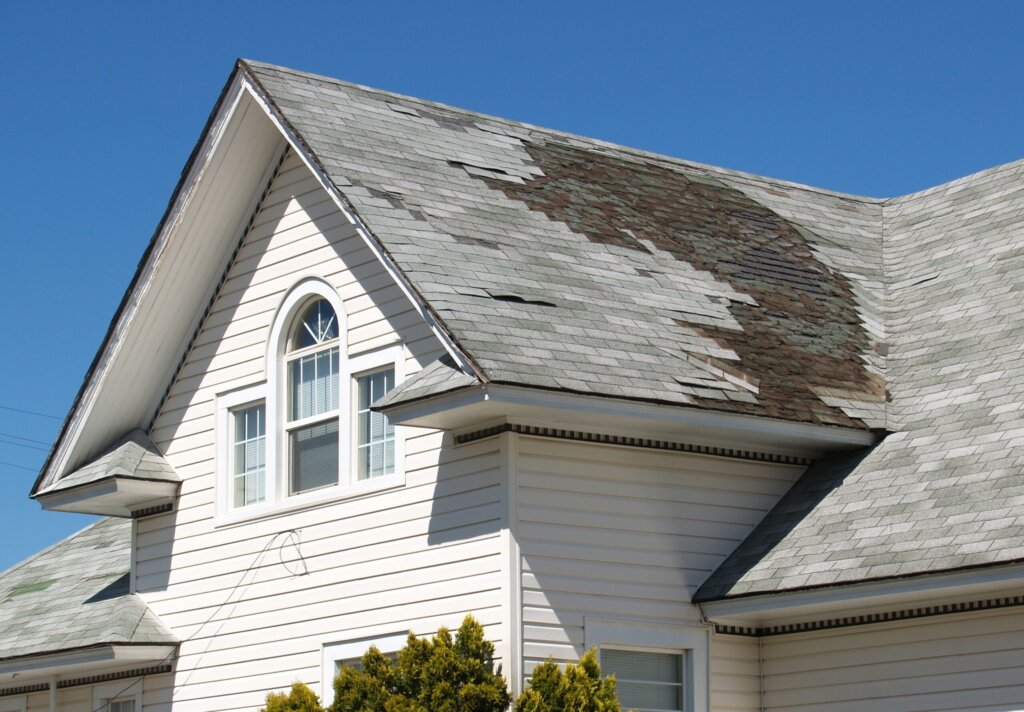
Should You Repair or Sell a House With a Bad Roof in Knoxville, TN?
A bad roof can make selling a house feel complicated. You may not know whether the problem needs a small repair, full replacement, or work inside the attic and walls. Inspections, insurance, financing, and the effect on your sale price can add more uncertainty.
You can still sell a house with a bad roof in Knoxville, TN. You may repair it, replace it, list as-is, offer a credit, or sell directly to a buyer who will handle the work.
East Tennessee Home Buyers LLC created this guide to help Knoxville homeowners compare those choices without assuming every roof problem requires the same solution.
Quick Answer
The best option depends on the type of roof problem, repair cost, condition of the rest of the house, and your timeline. Repairing may support a stronger retail sale, while selling as-is may be more practical when damage is extensive, uncertain, or difficult to manage.
What Kind of Roof Problem Does the House Have?
Not every “bad roof” creates the same selling challenge.
Minor, Isolated Damage
A few missing shingles, loose flashing, or a small leak around a vent may be repairable without replacing the entire roof. A limited repair may make sense when the rest of the roof is usable, no major moisture damage is found, and a qualified roofer can explain the work clearly.
Even a small ceiling stain deserves attention because water can travel before becoming visible.
An Older Roof That Is Still Functioning
An aging roof may not be leaking, but buyers may worry about how soon replacement will be needed.
You may still be able to list without replacing it, especially when the roof is stable and the price reflects its age. However, its condition may affect negotiations, insurance, or the appraisal.
An Active Leak
An active leak is more urgent because damage can continue while the property is marketed. Water may affect decking, insulation, drywall, framing, electrical fixtures, or flooring.
Stopping further water entry should come before painting stains or completing cosmetic work.
Storm or Tree Damage
East Tennessee experiences severe thunderstorms, damaging winds, hail, and fallen trees. The National Weather Service office in Morristown tracks severe weather across Knoxville and nearby counties.
Storm damage may create an insurance option, but coverage depends on the cause, policy terms, deductible, exclusions, and reporting rules. The Tennessee Department of Commerce and Insurance advises homeowners to document damage and contact their insurer before making major permanent repairs when a claim may apply.
Hidden Decking or Structural Damage
This is often the hardest condition to price.
A roofer may estimate visible replacement costs, but the full condition of the decking may not be known until old materials are removed. Long-term moisture can also affect rafters, fascia, soffits, or framing.
That uncertainty can increase repair costs and reduce what an as-is buyer is willing to pay.
How Roof Damage Can Affect a Knoxville Home Sale
A damaged roof does not automatically prevent a sale, but it can change the buyer pool and closing process.
Fewer Buyers May Be Interested
Many owner-occupant buyers want a home that is ready to insure and occupy. Investors, contractors, landlords, and renovation buyers may be more comfortable with roof damage, but they will still account for cost and risk.
Financing May Become More Difficult
A financed buyer normally faces an appraisal and lender requirements. Serious leaks or safety concerns can create repair conditions.
FHA lenders and appraisers follow the current FHA Single Family Housing Policy Handbook. The outcome depends on the appraisal, lender, loan program, and roof condition.
A cash buyer does not rely on mortgage approval, but homeowners should still compare the price, proof of funds, inspection rights, closing costs, and contract terms.
Insurance Can Affect the Sale
A financed buyer may need acceptable homeowners insurance before closing. An old or leaking roof can create questions about coverage, premiums, exclusions, or required repairs.
Insurance decisions vary by carrier and policy, so sellers should not promise that a buyer can insure the property without checking.
Should You Replace the Roof Before Selling?
Replacing the roof may be worthwhile when it makes the property easier to finance, insure, and market. It is not automatically the best financial decision.
Roof Replacement May Make Sense When:
- The rest of the house is in good condition
- The cost is clear and manageable
- You can wait for contractors and inspections
- The finished roof may attract more retail buyers
- The likely increase in net proceeds justifies the expense
- An eligible insurance claim may cover part of the damage
Keep invoices, warranty information, permit records, and before-and-after photos for buyers.
Selling As-Is May Make More Sense When:
- You cannot pay for replacement
- The house has several major repairs
- Decking or structural damage is uncertain
- Water damage has spread inside
- The property is vacant or inherited
- You live outside East Tennessee
- You do not want to manage contractors
Homeowners considering this path can read more about selling a house as-is in Knoxville.
Is a Roof Credit Better Than Replacing the Roof?
A seller credit can work when the buyer accepts the condition and the transaction allows it. Instead of completing the work, the seller provides an approved credit at closing.
A credit may not solve the problem when the lender requires repairs, the buyer cannot obtain insurance, the damage creates a safety concern, or the repair scope remains uncertain.
A roof credit is usually more practical when the roof is old but stable than when the house has an active leak or serious structural damage.
Knoxville and East Tennessee Roof-Damage Context
Roof problems can affect older ranch homes in Fountain City, West Knoxville split-levels, North Knoxville rentals, inherited homes in Powell or Halls, rural properties, and Sevier County cabins.
Vacant homes may hide leaks longer. Rentals may have incomplete records, while rural properties can be harder for contractors to reach.
These details do not determine the best selling method, but they affect the cost and effort required to prepare the property.
How to Sell a House With a Bad Roof in Knoxville, TN
1. Stop Additional Damage Safely
Do not climb onto a wet, steep, or unstable roof. Move belongings away from active leaks and contact a qualified professional about temporary protection. Keep receipts for emergency work.
2. Document the Condition
Photograph visible roof and interior damage. Gather invoices, warranties, inspection reports, insurance letters, and repair records.
3. Check Whether Insurance May Apply
Contact your insurer when damage may have resulted from wind, hail, a fallen tree, or another covered event. Ask about coverage, the deductible, inspections, temporary repairs, documentation, and an open claim’s effect on a sale.
Do not assume age-related wear or deferred maintenance is covered.
4. Get a Roof-Specific Evaluation
Ask a qualified roofer for a written scope covering repair versus replacement, materials, flashing, ventilation, decking allowance, cleanup, permit responsibility, warranties, and possible change orders.
Getting two or three estimates can help when recommendations vary.
5. Confirm Permit Requirements
Permit requirements depend on the work and jurisdiction. The City of Knoxville Fast Fact Guides provide local building guidance. Confirm current requirements with the City of Knoxville, Knox County, or the correct local authority before work begins.
6. Compare the Net Result
Compare more than the sale price. Include repairs, commissions, seller-paid expenses, carrying costs, inspection negotiations, price reductions, and expected closing time.
For broader repair-cost guidance, review how to price a Knoxville house with major repairs.
7. Review Offers and Contract Terms
Ask about financing, proof of funds, inspection changes, closing costs, assignment rights, cancellation terms, and timing.
East Tennessee Home Buyers LLC explains its direct-purchase process on the How We Buy Houses page.
8. Handle Known Defects Properly
Selling as-is does not mean hiding a known leak or covering a stain to mislead a buyer.
Tennessee disclosure duties can depend on the property, seller, contract, transaction, and available exemptions. Homeowners should speak with a Tennessee real estate attorney or licensed agent when guidance is needed. The state’s residential disclosure rules appear in Tennessee Code Title 66, Chapter 5, Part 2.
Roof-Damage Selling Options Compared
| Option | Best fit | Main advantage | Main limitation |
|---|---|---|---|
| Complete a limited repair | Damage is isolated | Removes a specific buyer concern | More damage may be discovered |
| Replace the roof and list | Home is otherwise market-ready | May attract more retail buyers | Requires money, time, and management |
| List the house as-is | Property remains marketable | Provides MLS exposure | Buyers may negotiate heavily or cancel |
| Offer a buyer credit | Buyer accepts responsibility | Avoids managing the work | Financing or insurance may still require repairs |
| Sell directly for cash | Roof needs major work | Avoids a pre-sale roof project | Offer reflects repair cost and uncertainty |
| Keep and repair later | No immediate need to sell | Gives you more planning time | Damage and carrying costs may continue |
Example: Selling a Knoxville House With a Bad Roof
Consider a hypothetical homeowner who inherits a 1970s ranch house in Fountain City.
The roof has missing shingles, and one bedroom has a ceiling stain. The owner lives out of state and does not know how long the leak has existed.
A roofer recommends replacement but cannot confirm the decking cost until the old materials are removed. The house also needs other updates.
Repair and list: This may produce the strongest retail price, but it requires upfront money, contractor management, and more time.
List as-is: This avoids the roof project and creates market exposure. However, financed buyers may raise concerns after inspection or appraisal.
Direct cash sale: This removes the need to repair before closing, but the offer reflects the roof condition, uncertain decking, interior damage, and repair risk.
The useful question is not simply, “Which option has the highest price?” It is, “Which option provides the best realistic net result after cost, time, risk, and effort?”
Common Mistakes to Avoid
Replacing the Roof Before Understanding the Full Problem
A low estimate may not include decking, fascia, structural work, interior repairs, or mold evaluation.
Assuming Insurance Will Pay the Entire Bill
Coverage depends on the policy, cause of loss, deductible, roof condition, and claim findings.
Accepting the First Roofing Estimate
Review materials, warranties, exclusions, cleanup, permits, payment terms, and change-order rules.
Using a Buyer Credit Without Checking Financing
A credit will not help when the lender or insurer requires repairs before closing.
Comparing a Repaired Sale Price With a Cash Offer
A repaired value assumes the project is completed successfully. A direct offer reflects the property’s current condition and the work the buyer accepts.
Hiding Water Stains or Known Leaks
This can create trust and disclosure concerns. Explain known conditions honestly and get professional guidance when needed.
Frequently Asked Questions
Can I sell a house with a bad roof in Knoxville, TN?
Yes. You can repair it, list as-is, offer a buyer credit, or sell directly to a buyer willing to handle the work after closing.
Should I replace my roof before selling my Knoxville house?
Not always. Replacement may help when the home is otherwise market-ready and the likely return justifies the cost.
Can a buyer get a mortgage on a house with roof damage?
Possibly. The outcome depends on the damage, appraisal, insurer, lender, and loan program. Serious leaks may need evaluation or repair.
Can I give the buyer a roof credit instead of making repairs?
Sometimes. A credit may work when the buyer, lender, insurer, and contract allow it. It may not solve an active leak or required repair.
Will a cash buyer purchase a Knoxville house with roof damage?
Many cash buyers consider houses with old roofs, leaks, water damage, or full replacement needs. The offer usually reflects repair costs and risk.
Does homeowners insurance cover roof damage before a sale?
It depends on the cause and policy. Sudden storm damage may be treated differently from normal aging or poor maintenance.
How much does a bad roof reduce a Knoxville home’s value?
There is no fixed amount. The effect depends on repair scope, hidden damage, overall condition, buyer demand, financing, and expected cost.
Do I have to disclose roof damage when selling in Tennessee?
Selling as-is does not automatically remove disclosure duties. Rules and exemptions vary, so ask a qualified Tennessee professional.
Need to Sell a Knoxville House With Roof Damage?
A bad roof does not leave you with only one option. You can repair it, replace it, list as-is, negotiate a credit, or compare a direct cash offer.
If you want to sell as-is without repairs, realtor commissions, or closing costs, East Tennessee Home Buyers LLC can review your property and provide a fair local cash offer.
Compare the offer with the estimated net result of repairing or listing, then choose the path that fits your budget and timeline.
This article provides general homeowner education, not legal, insurance, construction, tax, or financial advice. Requirements vary by property and transaction.